
Ethics, Policy, and Social Impact
Ethics, Policy & Social Impact research at Georgia Tech focuses on ensuring that robotics and AI are safe, dependable, and used in ways that strengthen industries, empowers workers, and improve everyday life.
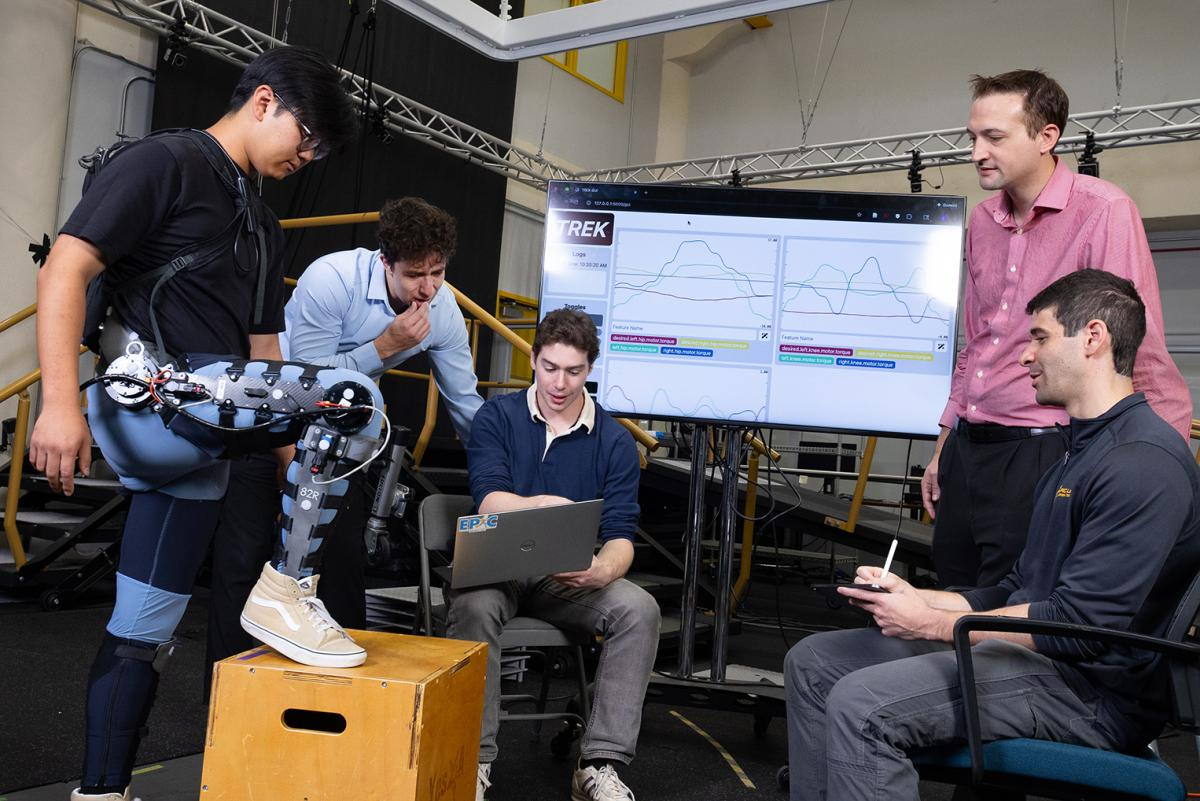 Ethics, Policy & Social Impact research examines how robotics and AI operate in workplaces, homes, healthcare, transportation, and public systems. As these technologies advance, it is important to understand their effects on safety, jobs, productivity, and everyday use, and and to gather input from users and stakeholders so that practical design principles can be developed to ensure these systems have a positive, meaningful impact. At Georgia Tech, we develop practical tools, real-world testing environments, and research partnerships with industry and government to guide responsible and effective use of robotics and AI.
Ethics, Policy & Social Impact research at Georgia Tech focuses on how robotics and AI technologies operate in real-world settings and how they influence work, daily life, and major sectors such as manufacturing, healthcare, and transportation. This research brings together engineering, computing, human factors, and policy expertise to study safety, performance, usability, and the interaction between people and automated systems. A central goal is to ensure that robotics and AI are understandable, dependable, and designed to work well for the individuals and communities who use them.
Impact and Innovation Through Expertise
Robotics and AI are increasingly influencing decisions made in workplaces, homes, transportation networks, healthcare systems, and public infrastructure, which means they also shape discussions about policy, regulation, and long-term public investment. Studying these technologies helps inform practical guidance for state, federal, and local agencies as they develop rules, standards, and funding priorities that support safe and effective deployment. This work provides decision-makers with clear, evidence-based insights on issues such as safety, system performance, workforce needs, and community readiness, ensuring that policies keep pace with technological change and help deliver reliable benefits to the public.
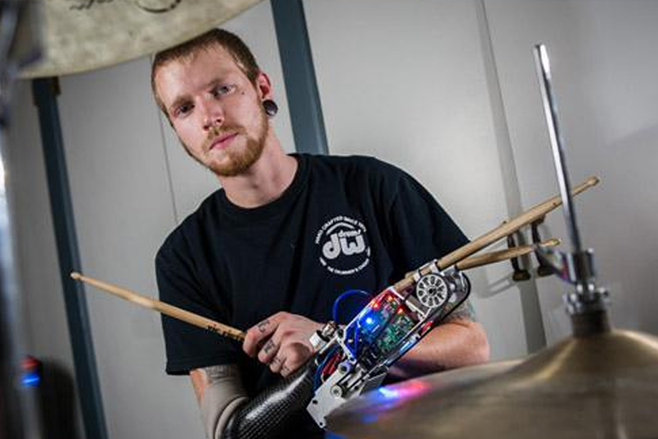
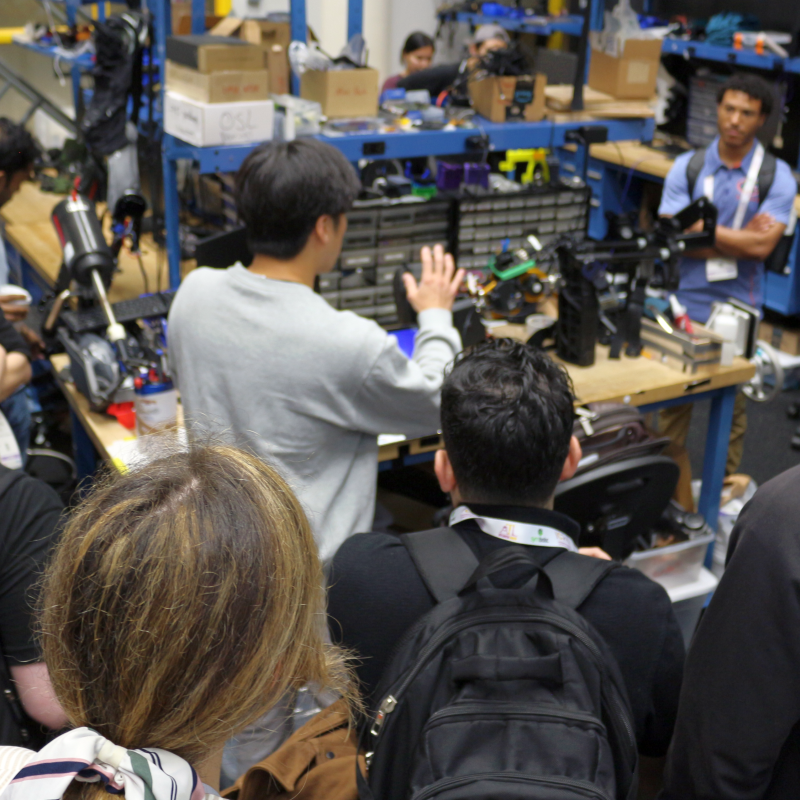
Georgia Tech advances this work through a network of robotics laboratories, human-interaction research spaces, manufacturing testbeds, smart-home environments, and living-lab facilities that allow technologies to be tested in realistic conditions. IRIM researchers develop new methods for human–robot teamwork, trustworthy AI, autonomous system evaluation, and practical deployment strategies for industry and public agencies. Projects such as Robots & Society 2125, AI-CARING, GA-AIM, and TPAC’s governance studies highlight Georgia Tech’s leadership in aligning advanced robotics research with real-world needs. Through interdisciplinary collaboration, IRIM produces tools, technologies, and guidance that help organizations deploy robotics and AI safely, efficiently, and responsibly.
Roadmapping Project
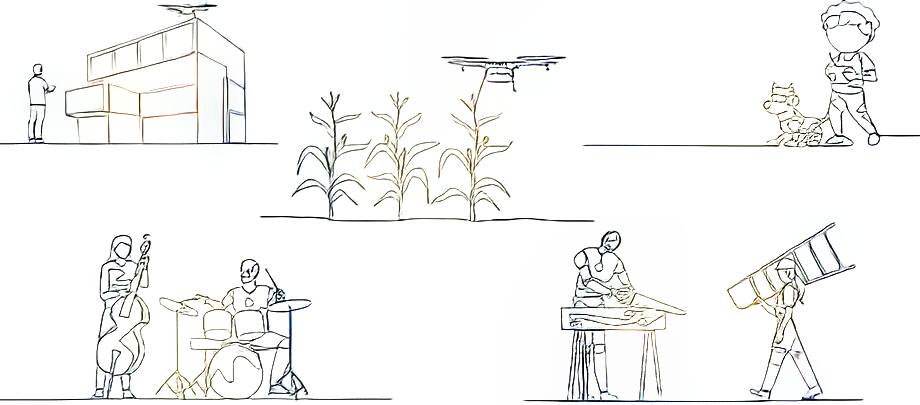
Human-Robot Society in 2125: Help Shape the Future - Roadmapping Towards an Altruistic and Integrated Human-Robot Society
Designing a roadmap for a human-centered, ethically grounded, and technologically ambitious future—one a century away—requires more than guesswork. It demands a disciplined approach to foresight, one that incorporates diverse perspectives and balances bold thinking with critical reflection.
Learn More
Contact for Ethics, Policy & Social Impact | Matthew Gombolay - Associate Professor of
Interactive Computing | matthew.gombolay@cc.gatech.edu