
Science of Robotics
The science of robotics spans research in the foundational concepts of robotics and automation across an interdisciplinary range of topics. Computational methodologies, electronics engineering, and physics are all fundamentals of the science of robotics.
SCIENCE OF ROBOTICS FOUNDATIONS
Research in the foundational concepts of robotics and automation covers an interdisciplinary range of topics. Computational methodologies, electronics engineering, and physics are all foundational areas of robotics research. Sub-topics include simulation, kinematics, control, optimization, and probabilistic inference.
Control Systems
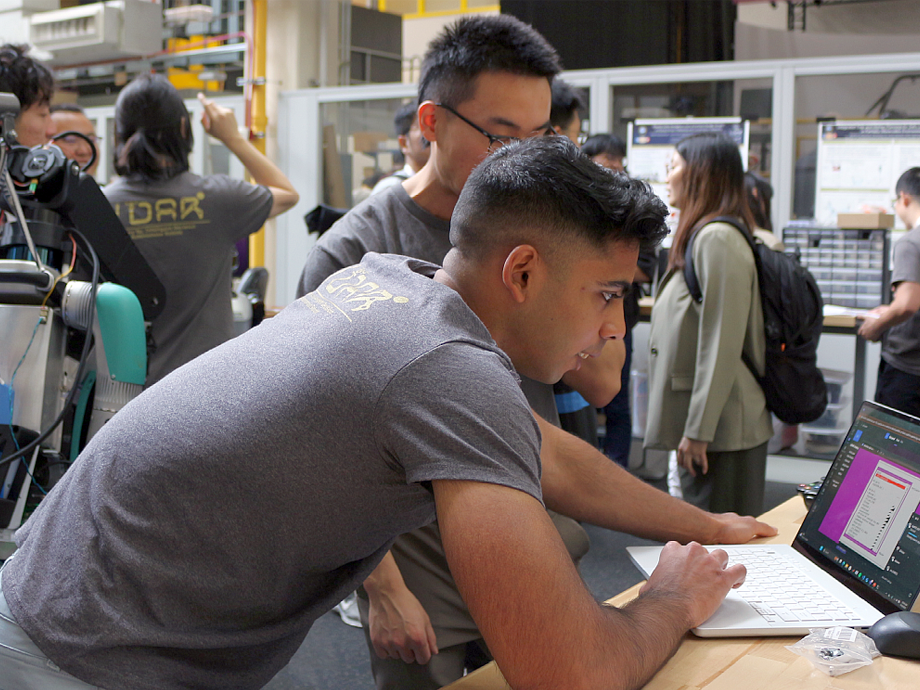
Design of control inputs that will produce desired behavior of dynamical systems, including manipulators, wheeled mobile robots, and underactuated systems. Methods include mathematical analysis as well as numerical, optimization-based approaches. Key concepts include use of feedback, system stability, optimality, adaptivity, and robustness.
Dynamics and Kinematics
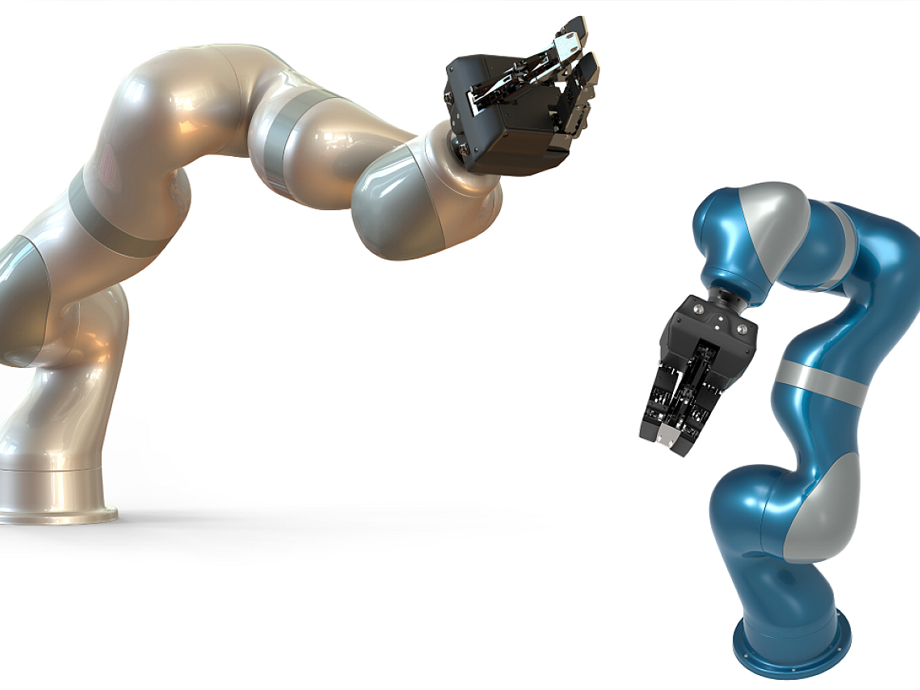
Dynamics observes the mechanical forces and accelerations resultant from them as applied to rigid-body systems, multi-body systems, and flexible devices. Kinematics emphasizes geometric and non-linear equations describing the degree and range of motion in robotic systems. Foundational for the further study of motion planning, dynamic systems for robotic applications in biomechanics, wheeled mobile robots, and systems requiring hyper-redundancy in design.

Manipulation & Navigation
Robotic manipulation addresses the frameworks of modeling, motion planning, and control of grasp and manipulation of an object for a task. Manipulation research deals not only with the way in which the robot performs, but also the numerous operator-robot interface options. Once a task is defined, robots must be able to navigate its environment successfully. Legged, wheeled, articulated and winged are just a few of the way in robots are constructed for their specific tasks. Many of IRIM’s faculty are working to advance robotic locomotion, creating multi-environment capable robots and bespoke design options.
Probability & Statistics
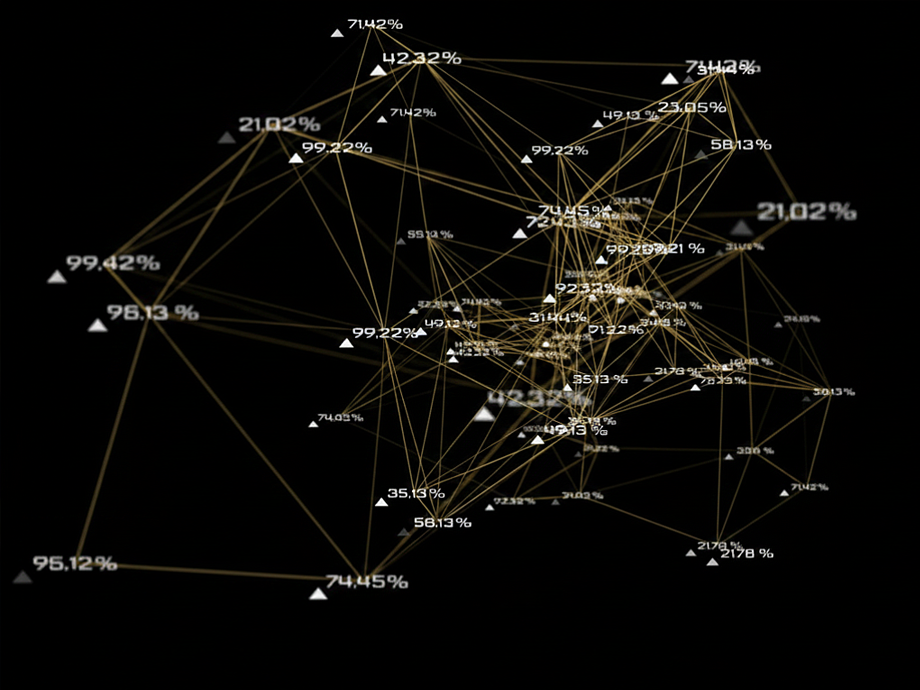
Application of theoretical and mathematically based methods to characterize and reason about uncertainty in robotic systems. Foundational for probabilistic inference, Bayesian reasoning, policy optimization for uncertain systems, and perception. Provides the underlying theory for methods in data analysis and machine learning.